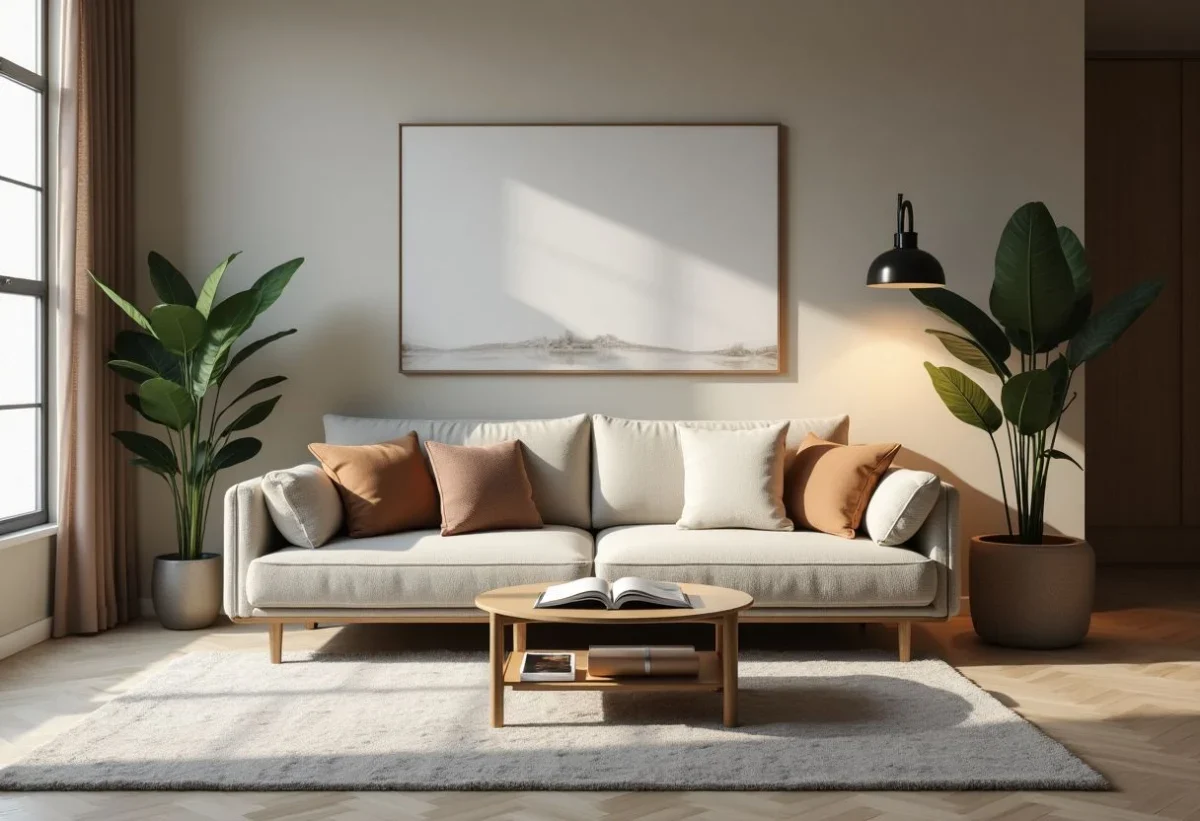
The sofa, the centerpiece of many homes, is much more than just a living room piece of furniture. It embodies conviviality, comfort, and for many, reflects a certain lifestyle. Each home has its own sofa, carefully chosen to meet aesthetic and practical criteria. But how has such a common object gained such importance in our lives?
A rich history and evolution
The sofa has not always been what it is today. Its history is as fascinating as it is varied, marked by significant transformations over the centuries.
- Ancient origins: The first sofas date back to ancient Egypt, where pharaohs used divans to sit during their banquets. These early models were primarily made of wood and linen fabrics.
- Renaissance influence: The sofa evolved in Europe over the centuries, particularly during the Renaissance, when furniture became a reflection of social status. The materials used, such as velvet and leather, added a touch of luxury.
- Industrial revolutions: With industrialization, the sofa became more accessible thanks to mass production. Styles diversified, ranging from classic designs to more contemporary shapes.
The different styles of sofas
There are as many styles of sofas as there are personalities. Each style brings a specific ambiance and comfort to your living space.
A Chesterfield sofa, with its tufted leather and rolled arms, evokes timeless elegance, often associated with English libraries. In contrast, the Scandinavian style, with its clean lines and natural materials, reflects the simplicity and minimalism prized in many modern homes. For those who prefer a modern feel, the contemporary style, often featuring geometric shapes and bold colors, offers a cutting-edge aesthetic.
Finally, the modular sofa appeals with its flexibility, allowing for rearrangement of the modules according to needs and available space.
Choosing the ideal sofa: a practical guide
When purchasing a sofa, several criteria should be considered to make the best possible choice.
- Comfort: Test several models to assess the seating comfort and firmness of the cushions.
- Dimensions: Measure the available space in your living room to ensure the sofa fits perfectly.
- Material: Choose a fabric or leather that matches your lifestyle and maintenance preferences.
- Functionality: A convertible sofa can be a practical option for accommodating guests.
Maintenance and durability of the sofa
To ensure a long life for your sofa, regular maintenance is essential. Here are some tips to keep it in good condition.
Frequent vacuuming helps remove dust and prevent dirt buildup. For fabrics, periodic professional cleaning can refresh the appearance and extend the lifespan of the sofa.
Leather sofas require special care, using specific products to avoid drying out.
Finally, avoiding direct sunlight exposure prevents discoloration of fabrics and leather.