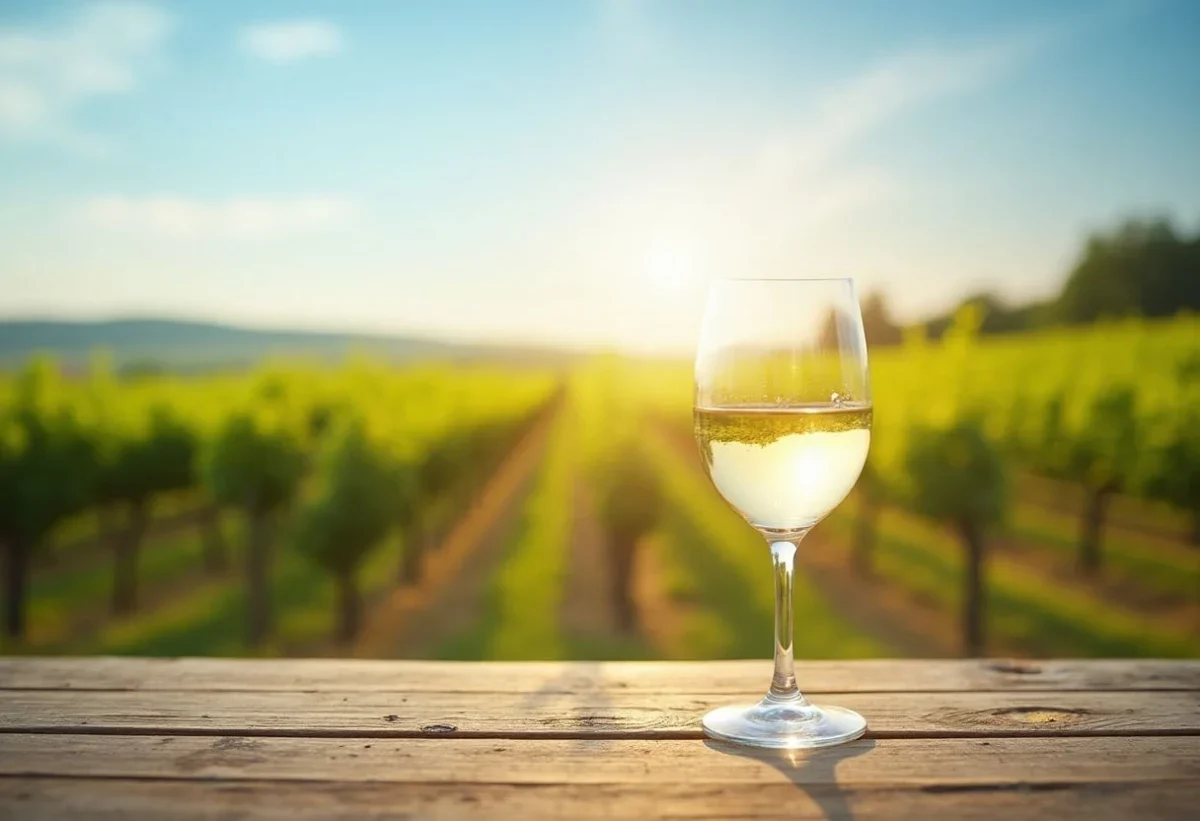
Wine is a universe in itself, a world of flavors and textures that evokes landscapes, stories, and traditions. Among the jewels of this world, Chablis stands out for its freshness and elegance. Hailing from a unique terroir in Burgundy, this dry white wine is a true emblem of the region. Its distinctive character and ability to enhance dishes make it a favored choice among both enthusiasts and connoisseurs. Chablis is not just a wine; it is a sensory experience that evokes the minerality of limestone soils and the authenticity of a centuries-old winemaking tradition.
The origin and terroir of Chablis
Located in northern Burgundy, the Chablis vineyard benefits from a climate and soil that are both its assets and challenges. This region is characterized by its harsh winters and warm summers, providing an ideal growing season for the Chardonnay grape.
The soil of Chablis, primarily composed of Kimmeridgian limestone, gives the wine exceptional minerality. This land, an ancient sea of fossils, is what imparts such a unique character to Chablis. The unique geography and exposure of the vines promote optimal ripening of the grapes, ensuring a perfect balance between acidity and fruitiness.
The different appellations of Chablis
In the world of Chablis, there are several appellations that reflect the diversity and richness of this wine. Each appellation offers a unique expression of this prestigious terroir.
- Petit Chablis: this designation is reserved for wines produced on the plateaus surrounding the main slopes. These wines are generally light and fresh, perfect for early consumption.
- Chablis: the main appellation, produced on the most renowned slopes. The wines are balanced, with fruity aromas and marked minerality.
- Chablis premier cru: coming from the most prestigious plots, these wines combine complexity and finesse.
- Chablis grand cru: located on a unique slope, this appellation encompasses the richest and most complex wines of Chablis.
The sensory profile of Chablis
The sensory profile of a Chablis wine is a symphony of flavors and aromas that delights the most discerning palates. This wine is distinguished by its vibrant nose and bouquet of floral and fruity aromas, with notes of green apple, lemon, and sometimes white flowers.
On the palate, Chablis reveals an acidic structure that gives it remarkable freshness. The minerality of the soil translates into notes of flint, adding a unique depth to each sip. The finish is generally long, leaving a lasting impression of purity and finesse.
Food and wine pairings with Chablis
Food and wine pairings are a delicate dance where Chablis excels. Thanks to its minerality and liveliness, it pairs wonderfully with a variety of dishes.
- Seafood: oysters and other shellfish find a natural ally in the freshness of Chablis.
- Poultry: a roasted chicken or a poultry-based dish will harmoniously match the texture and aromas of a Chablis wine.
- Cheeses: soft cheeses like Brie or Camembert are enhanced by this wine.
- Sushi: for lovers of Japanese cuisine, Chablis offers a perfect balance with sushi or sashimi.
Chablis is a wine that continues to fascinate with its ability to reflect its terroir and adapt to a multitude of dishes. Whether to celebrate a special occasion or simply to satisfy a desire for sensory escape, Chablis presents itself as an ideal companion.