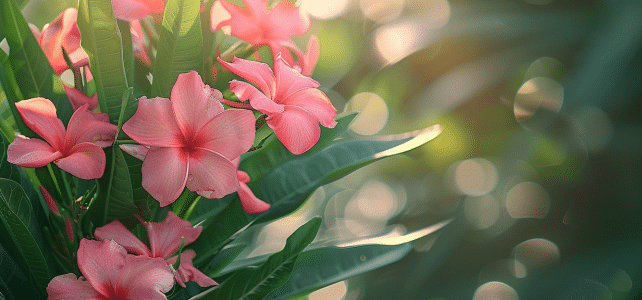
Among the ornamental plants prized for their spectacular flowering and evergreen foliage, the oleander holds a prominent place in gardens and on terraces. This Mediterranean shrub, despite its robustness, can be subject to various ailments. Oleander owners often face challenges such as pest attacks, fungal diseases, and nutritional imbalances. Identifying these common problems and knowing how to treat them effectively is essential for keeping these plants healthy and ensuring abundant flowering year after year.
Identifying and Treating Oleander Diseases and Pests
The yellowing of oleander leaves, a recurring phenomenon, often puzzles enthusiasts of this shrub. Various pathologies can manifest through this symptom. Among them, chlorosis, characterized by yellow oleander leaves with still green veins, frequently results from a deficiency in iron or magnesium. An appropriate supply of chelated fertilizer can correct the problem, provided the diagnosis is made accurately.
Beyond deficiencies, fungal diseases such as powdery mildew or gray mold prove to be tenacious adversaries. These manifest respectively as white fluff and brown spots on leaves and stems. Treatment relies on the application of specific fungicides and better management of surrounding humidity. Oleander maintenance should include preventive measures, such as avoiding overwatering and ensuring good air circulation around the plant.
Insects are another major concern for the health of oleander. Scale insects, recognizable by their waxy shells, and whiteflies, small flying white insects, often attack the leaves of oleander. The use of systemic insecticides or the intervention of natural predators like ladybugs can help curb these infestations. Vigilance remains essential: regularly inspect the undersides of leaves and young shoots, favorite spots for these pests.
The choice of a suitable location and meticulous maintenance are crucial for preventing health problems in oleander. Well-drained soil, moderate watering, and regular pruning promote a vigorous plant, less susceptible to diseases and insect attacks. Neglecting these fundamental aspects of care can compromise the plant’s vitality and open the door to various threats that lurk around oleander.
Practical Tips for a Healthy Oleander
The pruning of oleander is a fundamental step to stimulate its flowering and prevent the onset of diseases. Carry out this operation at the end of winter or the beginning of spring, removing dead or weak branches and aerating the center of the plant. Proper pruning promotes air circulation and exposure to sunlight, conditions that are essential for healthy and vigorous growth.
Regarding watering, potted oleander requires special attention. Be sure to keep the soil moist without saturating it with water. A good practice is to allow the soil to dry on the surface between waterings to prevent excess moisture, often responsible for root diseases. Using well-draining potting soil and installing a drainage layer at the bottom of the pot is recommended to optimize growing conditions.
Fertilization plays a crucial role in the development of oleander. During the growing season, a regular supply of appropriate fertilizer, rich in potassium and phosphorus, supports flowering and strengthens the plant’s resistance. Be sure to follow the manufacturer’s instructions to avoid root burn due to overdosing. Choose a sunny location, sheltered from cold winds, to place your oleander, whether in a pot or in the ground, and watch as it flourishes with vigor and elegance.