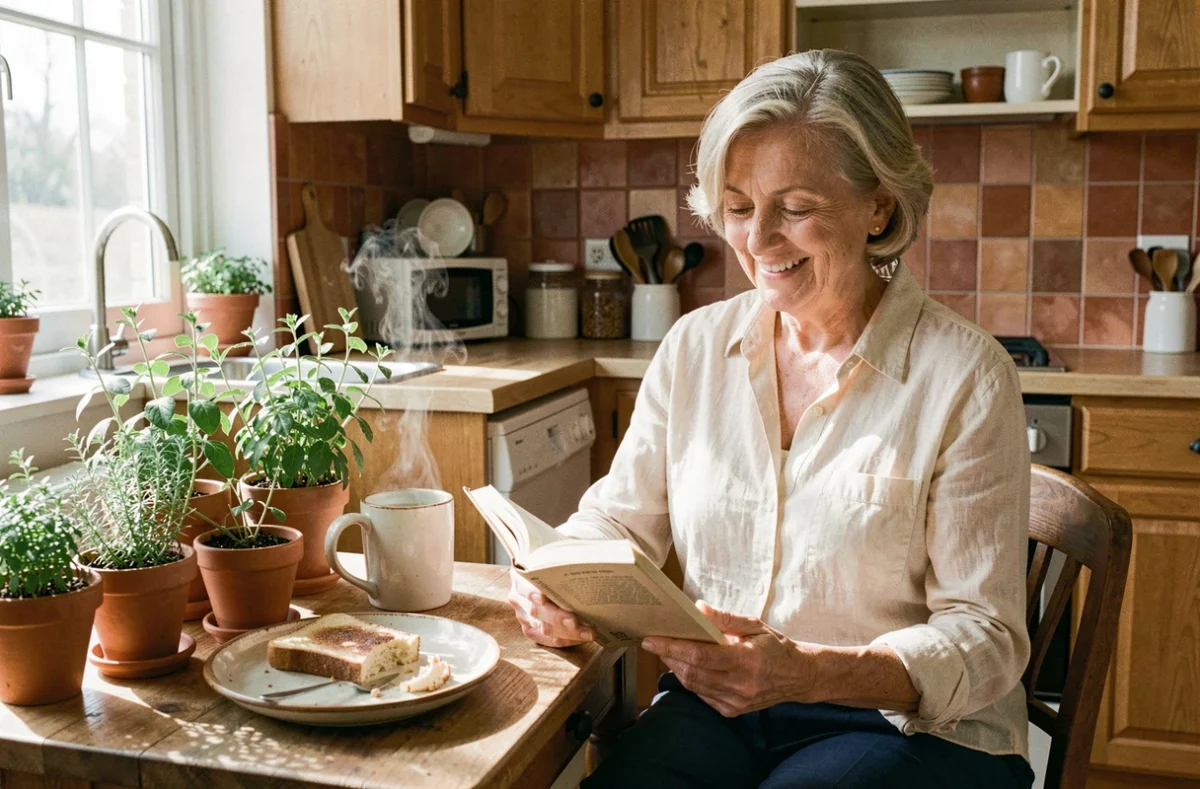
In France, retirement frees up several hours a day on average, which everyone can organize as they wish. This newfound freedom comes with a documented risk: the 2025 report by Les Petits Frères des Pauvres, cited by France Urgence Séniors, confirms that loneliness also affects people living at home, including those who do not fit the typical profile of someone experiencing isolation.
Structuring your days, maintaining regular contact with others and planning ahead for quieter periods are practical challenges from the first few months without work.
Social isolation in retirement: a risk that emerges in the first year
Losing the structure of working life suddenly means losing daily interactions with colleagues, commutes and the routines that shaped the week. For many retirees, this social void does not fill itself.
The issue is particularly acute for people who live alone or have limited mobility. Isolation does not affect only the very elderly: it can set in as early as age 62 or 63, especially when friendships were tied to the workplace.
Relying on occasional interactions (shopping, medical appointments) is not enough to maintain meaningful social connections. The resources published on the Info Seniors website for seniors list practical ways to find local services and support programs suited to each situation.
One recurring observation from community organizations is that some people never leave their homes. Anticipating this risk means setting up regular appointments before the habit of staying alone takes hold.
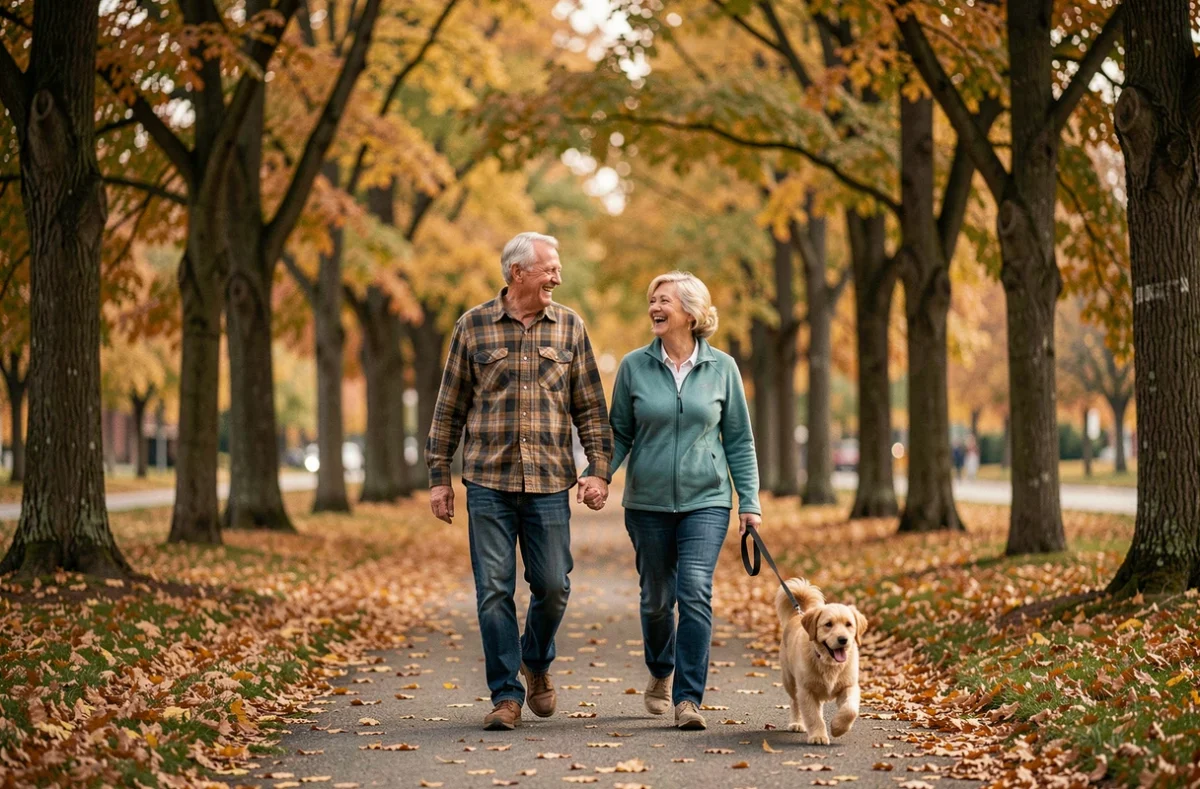
Building a typical week when you live alone or have limited mobility
A fulfilling week in retirement depends less on the number of activities than on how regular and social they are. The goal is to create fixed anchors in your schedule.
Set-day activities for seniors: associations, clubs and volunteering
A fixed weekly appointment gives the week more structure than a list of hobbies to do “whenever you like.” Local associations, book or games clubs, and workshops run by community social services centers all work on this principle.
Volunteering deserves special attention. It serves two purposes: it provides a regular schedule and fosters ongoing relationships, unlike one-off activities. The example of Les Petits Frères des Pauvres in the Drôme shows that helping others benefits volunteers as much as the people they support.
- Choose at least two fixed time slots each week that involve other people (a workshop, group walk or volunteer shift)
- Prioritize nearby activities that are accessible on foot or by adapted transport, so you do not have to rely on a car
- Schedule a phone or video call on days when you do not go out, especially during winter, when isolation tends to worsen
- Explore digital skills workshops offered by many local authorities, which provide an opportunity both to learn and to meet other participants
Limited mobility: adapting social connections to life at home
For retirees who cannot get around easily, social connections need to come to them. Several options are available: volunteer visits, meal delivery with time for a chat, and scheduled phone calls from community organizations.
Digital technology can partly make up for being unable to get out, provided people receive help getting started. Digital inclusion workshops listed by the National Agency for Territorial Cohesion offer training tailored to seniors, including online safety.
Working while retired: check the rules before returning to work
Many retirees are drawn to part-time work or occasional assignments, whether for financial reasons or to stay active. Receiving a retirement pension while earning income from work is possible, but the rules vary depending on individual circumstances.
Combining a pension with work income may be unrestricted or subject to a cap, depending on the pension rate and other applicable conditions. These rules may change. The only reliable advice is to have your personal situation checked with your pension providers before signing a contract or resuming self-employment.
Skipping this step could lead to adjustments that temporarily reduce the pension you receive. Online calculators provide an initial estimate, but they are no substitute for speaking directly with an adviser who knows your case.
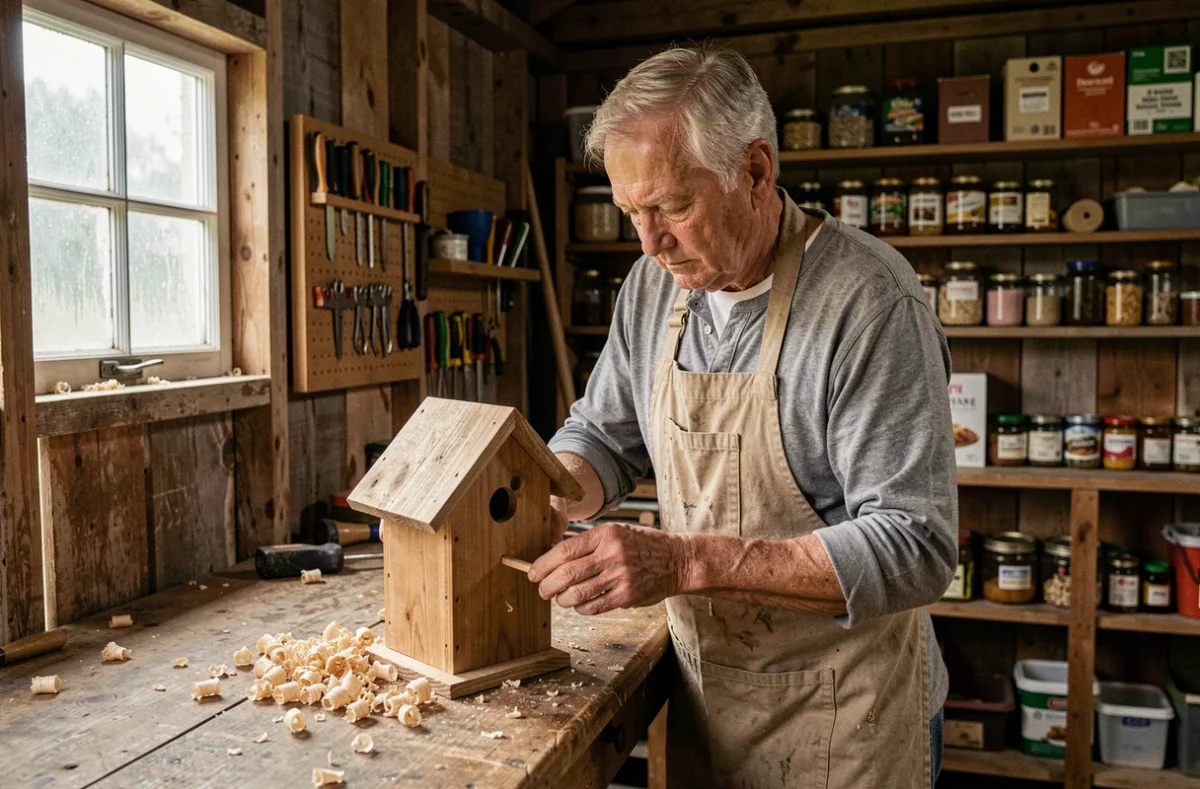
Health and independence in everyday life: what concretely changes after 60
Retirement changes how you relate to your body and your health. Without work-related travel and time constraints, daily physical activity often declines without you noticing. Walking for thirty minutes a day, even in shorter sessions, is a basic goal with documented benefits for sleep and mood.
Regular medical checkups become increasingly important. Making appointments routinely, rather than waiting for symptoms to appear, makes a difference in the long run.
Eating habits and daily routines in retirement
Eating alone, at irregular times, and relying on simple meals is common among retirees who live alone. Malnutrition can also affect people who are not short of money, simply because the motivation to cook disappears when there is no one to share a meal with.
- Sharing a meal once a week with a neighbor or friend, or at a community restaurant, helps keep the pleasure of eating alive
- Preparing extra portions to freeze makes you less likely to skip a meal on days when you feel tired
- Home meal delivery services also provide regular human contact with the delivery person
Planning for retirement is not just about filling your calendar. The first few weeks establish habits that can last for years. Scheduling regular group activities from the outset, checking your eligibility to combine work and retirement income, and actively monitoring your health provide a foundation on which every retiree can build a daily routine that suits them.