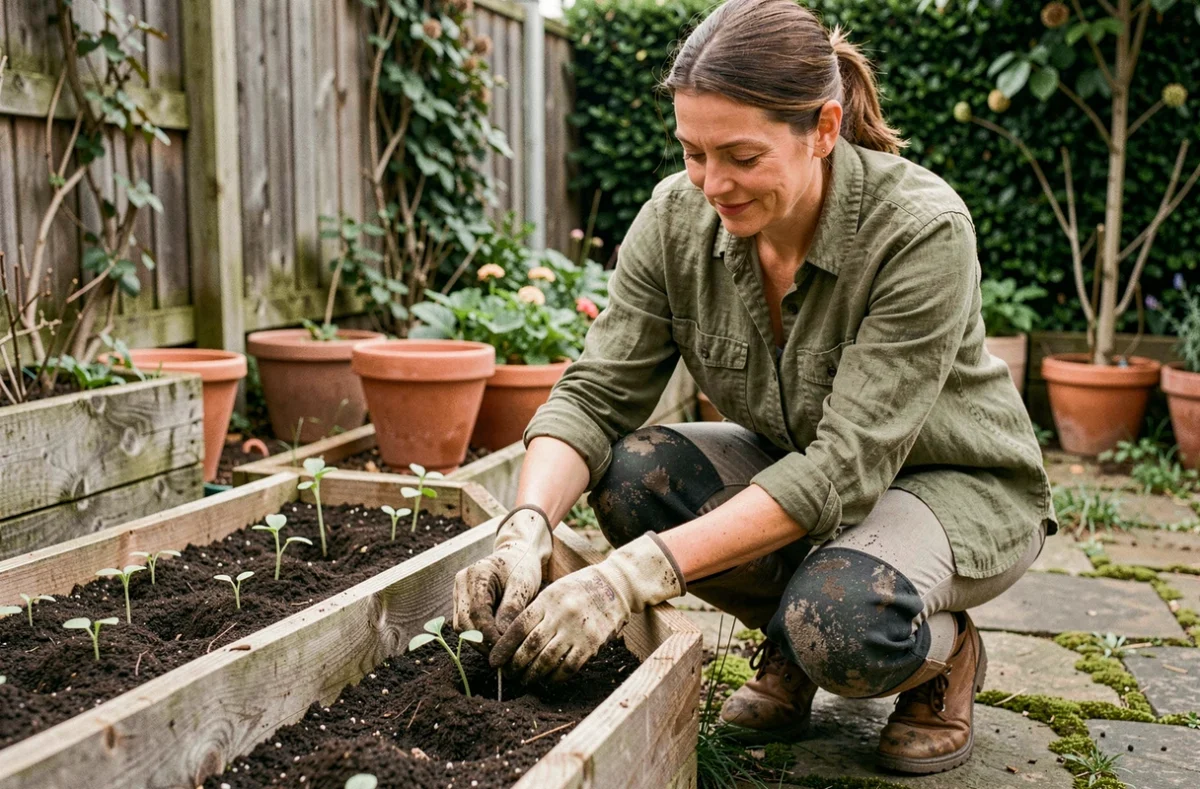
A garden is designed based on two factors that no one chooses: the nature of the soil and the exposure. Before selecting plants or furniture, these two parameters determine the success of each planting and the durability of each layout. Understanding their influence helps avoid costly mistakes in time and water.
Soil and Exposure: The Diagnosis That Conditions the Entire Garden Layout
The soil of a garden is characterized by its texture (clay, loamy, sandy) and its pH. Clay soil retains water but compacts, while sandy soil drains quickly and dries out in a few days. Observing spontaneous vegetation already provides reliable indications: the presence of white clover signals nitrogen-poor soil, while nettles indicate rich soil.
Testing the pH with a kit from a garden center takes five minutes and guides the choice of plants for several years. Acidic soil (pH below 6.5) is suitable for hydrangeas and heathers, while calcareous soil is ideal for lavenders and boxwoods.
Exposure is assessed by noting the shaded and full sun areas at different times. A south-facing bed may receive more than six hours of direct sunlight in summer, which excludes understory plants but opens the door to Mediterranean herbs. This observation work, done over two or three days, prevents the need to replant unsuitable plants every spring.
To explore plant combinations and find ideas suitable for each type of terrain, you can discover the Instant Jardin website, which groups sheets by soil and exposure categories.
Water Management in the Garden: Adapting Irrigation to Climate Disruption
The Unep-Ifop 2025 barometer reveals that 84% of French people have already changed their gardening practices in response to climate disruption or plan to do so. Rainwater harvesting is among the most frequently mentioned actions. This data reflects a profound change: water is no longer a given for the garden.
Watering at the base of plants early in the morning significantly reduces evaporation compared to watering in the middle of the afternoon. A drip irrigation system, even a rudimentary one, targets the roots and avoids wetting the foliage, which limits fungal diseases.
Mulching to Retain Soil Moisture
Organic mulching (wood chips, straw, dead leaves) keeps the soil cool in summer and protects roots from frost in winter. A sufficiently thick layer of mulch can halve watering needs.
Mulching also nourishes soil life as it decomposes: earthworms, mycorrhizal fungi, and bacteria work for free to improve soil structure. This virtuous circle gradually reduces the need for fertilizers.
Regulation of Hedges and Brush Clearance: Constraints to Integrate into Maintenance
The agricultural orientation law of March 24, 2025, established a single hedge regime with a dedicated office to declare any destruction project. The principle is clear: avoid first, reduce next, compensate as a last resort. In practical terms, uprooting a hedge without declaration exposes one to penalties.
This regulation also applies to individuals whose property borders agricultural plots or classified areas. Before removing a hedge deemed cumbersome, checking its status with the town hall avoids administrative complications.
Brush Clearance Obligations in Risk Areas
In municipalities exposed to the risk of forest fires, property owners must clear brush around buildings according to regulatory distances. This obligation may alter the planned layout: certain highly flammable evergreen shrubs (thuja, Leyland cypress) are not recommended near homes.
Replacing these plants with less combustible species (strawberry tree, holm oak, bay laurel) complies with regulations while maintaining an effective vegetative screen against visibility.
Seasonal Garden Maintenance: Actions That Make a Difference Throughout the Year
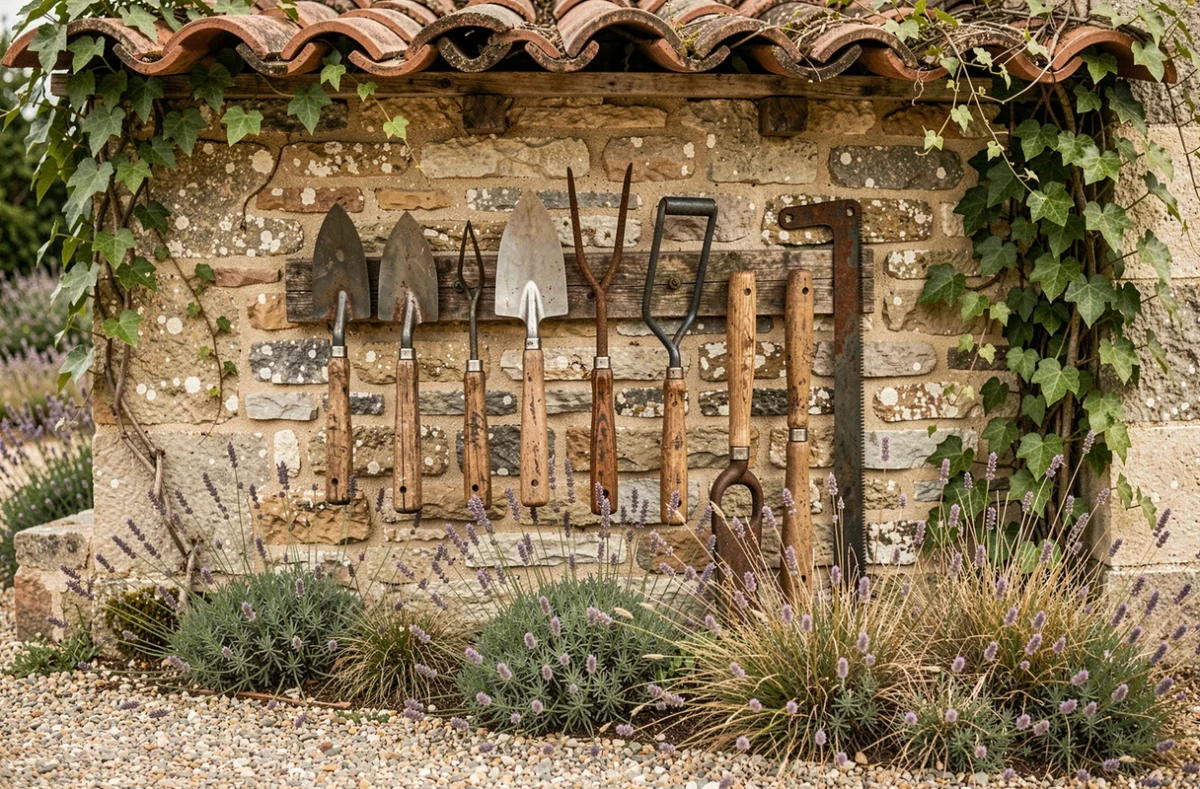
Rather than an exhaustive calendar, three well-timed interventions during the year are sufficient to keep a garden in good condition:
- At the end of winter (February-March), prune summer-flowering shrubs and amend the soil with mature compost. The soil is still moist, making it easy to integrate the compost.
- In June, install or renew the mulch before the first heat. Manually weeding out unwanted plants before they seed limits their spread for the rest of the season.
- In autumn, plant bare-root trees and shrubs, a period when recovery is best due to the natural soil moisture and mild temperatures.
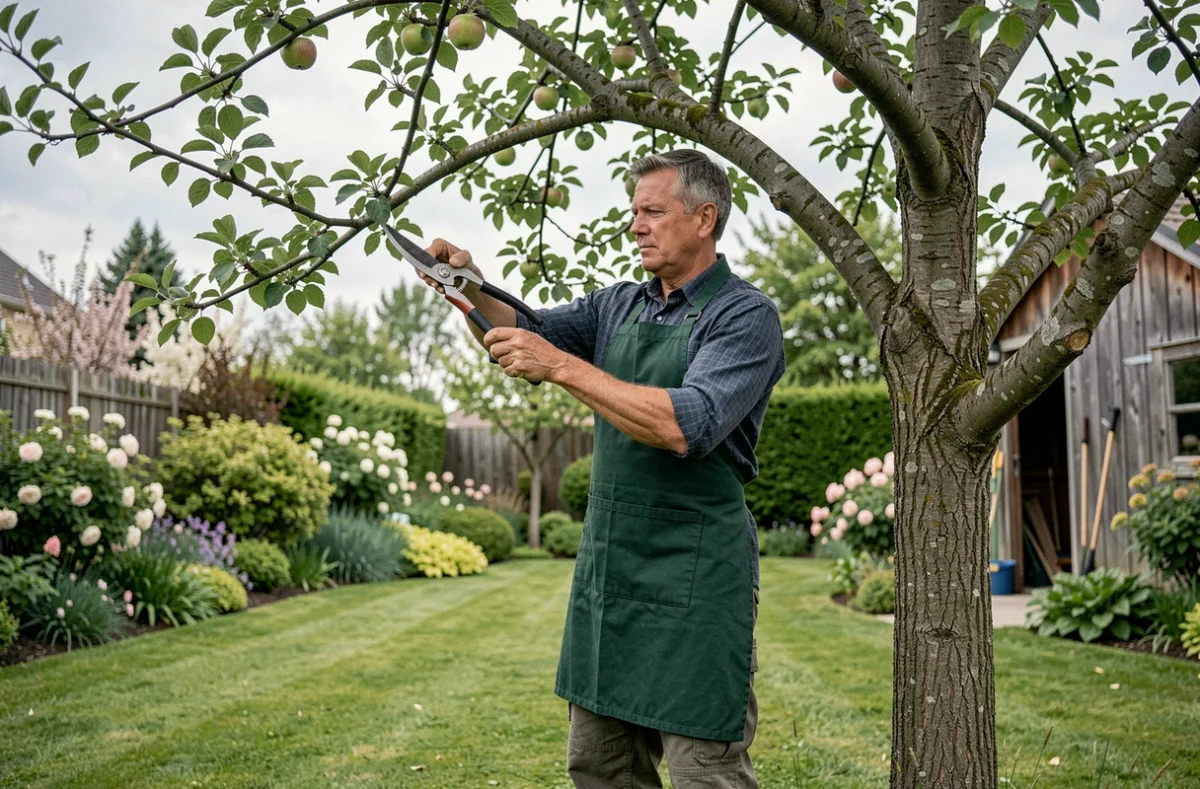
Hedge trimming is ideally done outside the bird nesting period, either before March or after August. Adhering to this schedule protects biodiversity and aligns with the recommendations related to the single hedge regime.
Encouraging Pollinators in the Layout
Leaving a partially fallow area in the garden, even over a few square meters, provides habitat for wild bees and beneficial insects. A garden that welcomes pollinators enhances the fruiting of all plants.
Planting species with staggered flowering (crocus in late winter, lavender in summer, asters in autumn) ensures a nearly continuous nectar source. This simple action transforms a purely decorative space into a true support for biodiversity.
The soil, water, regulations, and seasonal rhythm form the four pillars of a sustainable garden. Every planting or layout choice benefits from being checked against these four criteria before being put in the ground. A garden planned in advance requires fewer corrections, less watering, and less corrective maintenance over the years.